
Things can change in an instant. One moment all is normal in the world; the next, you’re in need of the right wound care supplies to clean up a mess. Maybe your kid runs inside with a scraped knee. Maybe you cut your finger while chopping vegetables for dinner. Or maybe your aging parent has a small skin tear.
Whatever the situation or need, when life happens, having the right wound care products on hand is never a bad idea, and it can save you time, money, and scrambling when you already have them at your fingertips.
Although wound care products are often associated with after-surgery care, wounds aren’t just limited to surgical incisions. Minor wounds can often be cared for at home. But what wound care supplies should you actually keep on hand?
There are so many things that we keep on hand for those “just in case” moments. Things like batteries, flashlights, cold medicine, and thermometers are all kept for the times we need them most. Why would wound care supplies be any different?
If you’ve got kids, you’re caring for someone elderly or disabled, or you just want to be well prepared for whatever happens, having basic wound care products nearby can save you from making a late-night trip to the store.
Preparation can also make an unexpected situation feel a little less chaotic. Instead of searching through drawers or wondering what you need, you can already have basic supplies organized in one place.
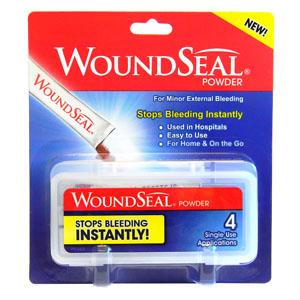 You don’t need to stock every wound care product available to man. Start with practical basics that can serve a variety of everyday needs. Depending on your household’s needs and your healthcare provider’s recommendations, your home supply can include:
A basic first-aid kit should also be checked from time to time. Supplies can run low, become damaged, or expire, and it is much better to find that out ahead of time, rather than when you’re dealing with an unexpected injury that needs tending to.
A good rule of thumb is to check your home first aid kit every 3-6 months to make sure that everything is up-to-date and that you have all the basic supplies you need for emergencies.
Wound care supplies give you options, but they don’t replace medical advice. And having a kit with wound care products available doesn’t mean every wound should be managed without professional care. Always seek medical attention if you’re dealing with:
It’s also important to remember that when in doubt, a healthcare professional can help determine the appropriate care and whether additional treatment is needed.
At In Home Healing, we understand that ordering medical supplies isn’t always something people want to spend their time doing. That’s why we’re proud to provide convenient delivery of wound care products to Charleston, Columbia, Hilton Head Island, SC, throughout South Carolina, and all over the nation.
We also accept HSA and FSA payments on qualifying purchases, giving you another convenient way to pay for eligible healthcare products using funds you may have already set aside for medical expenses. This can make a real difference when you’re already balancing the costs and responsibilities that come with caring for yourself or someone you love.